
Last updated September 22, 2026
Free on-site gate assessment - hinges, posts, and your LiftMaster or Nice gate operator checked before anything is quoted
The assessment is free and the quote is the invoice.

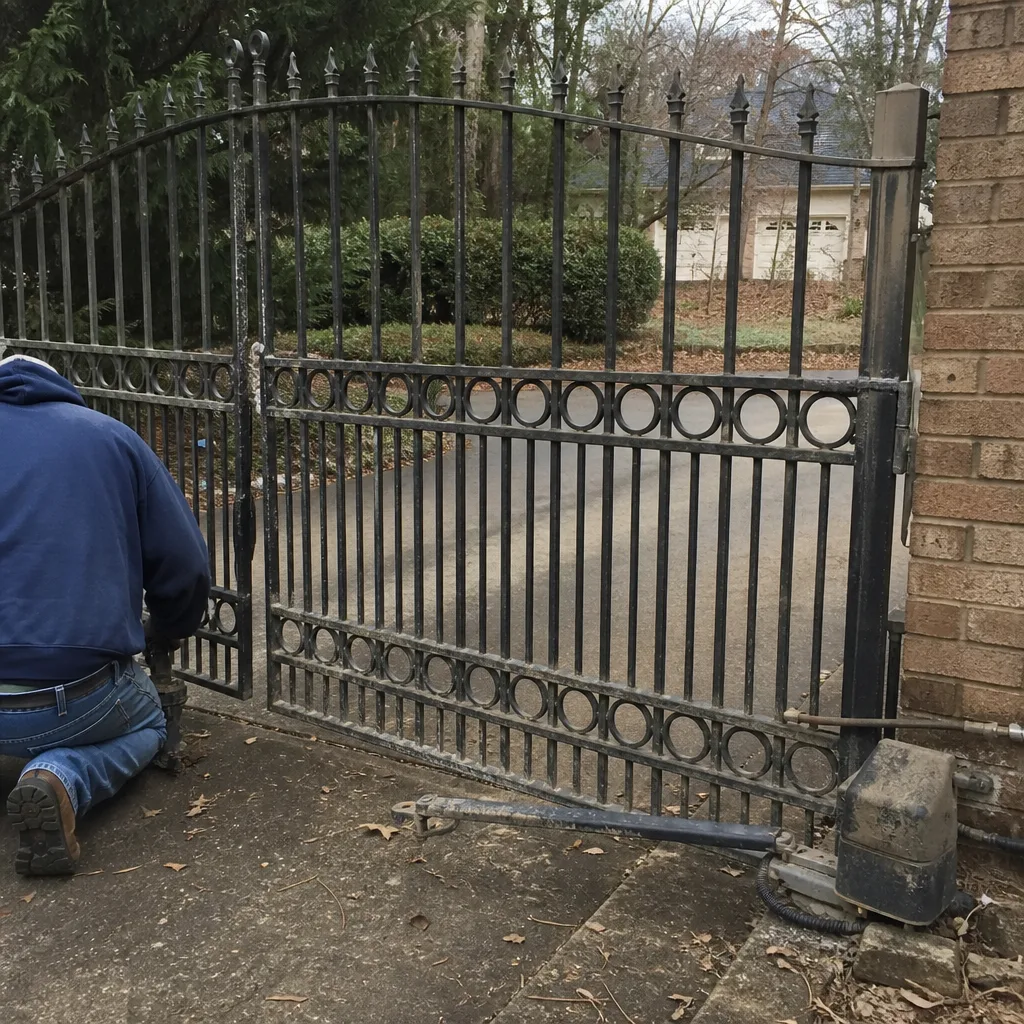 Before
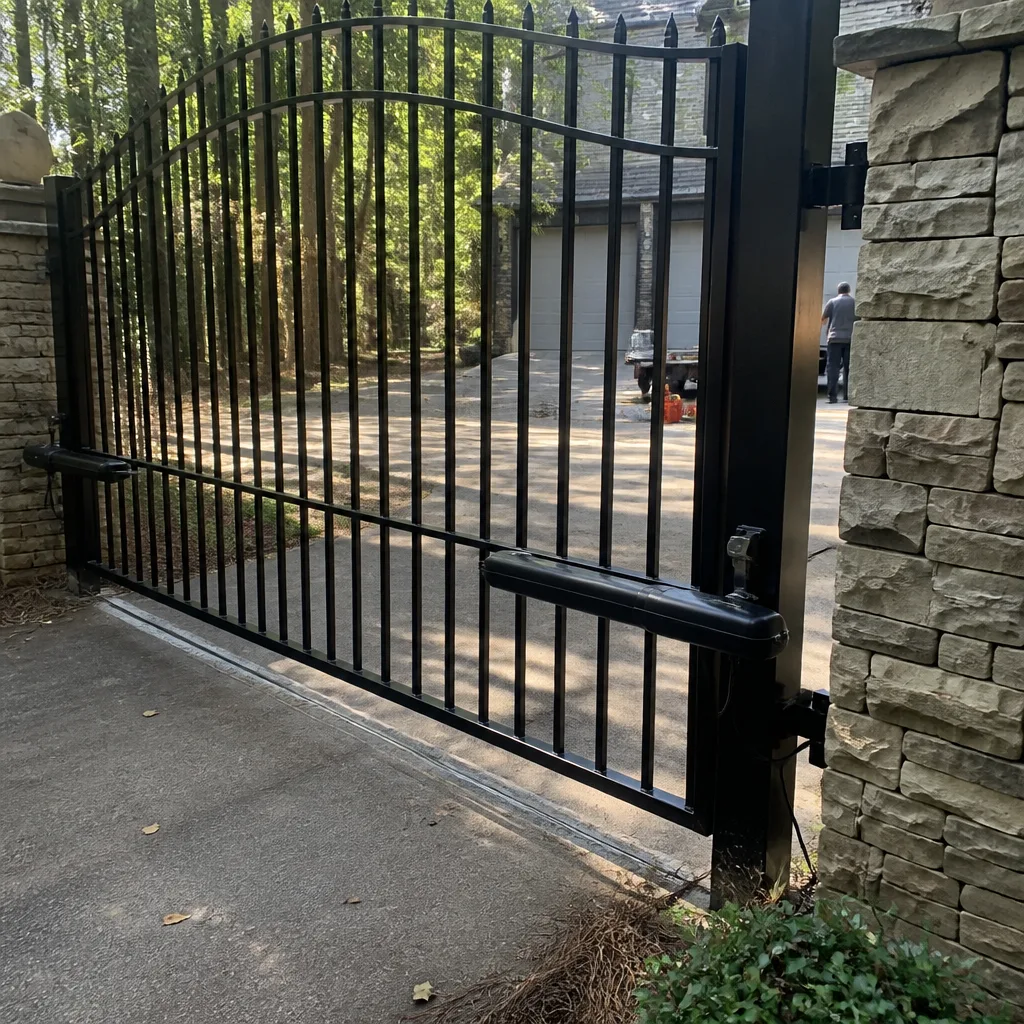 After
After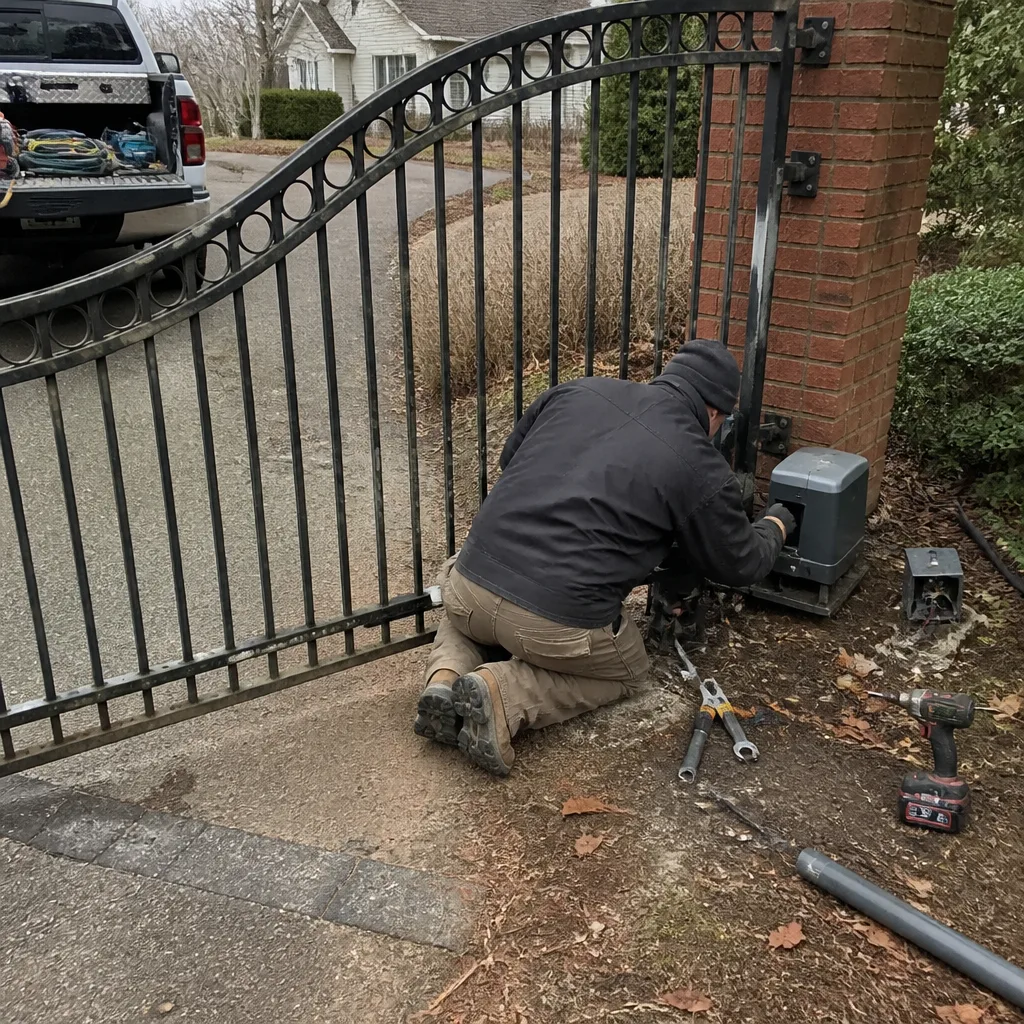 Before
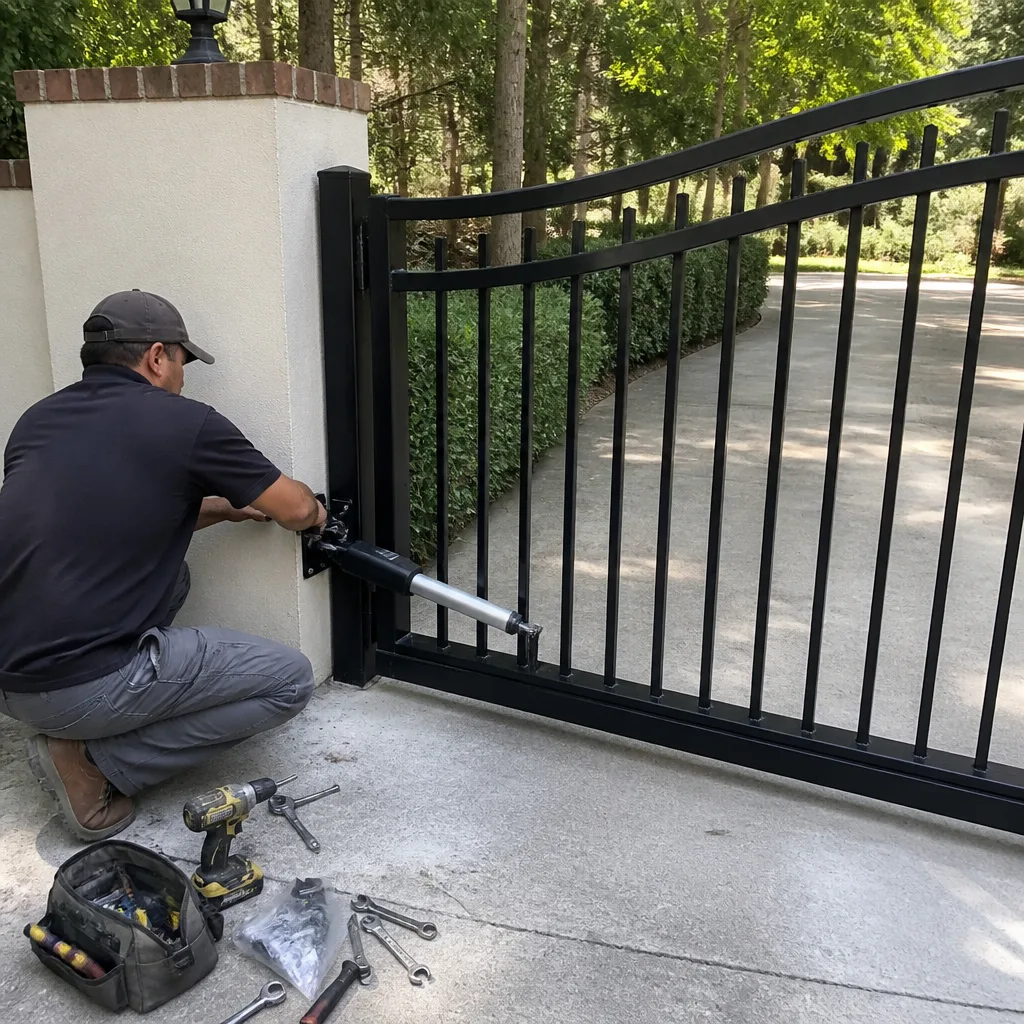 After
After Before
 After
AfterGate Repair Permits, Codes & Inspections in GA: What You Need to Know
Georgia’s residential electrical code doesn’t have a carve-out for low-voltage gate operators. If a technician runs new wire and no permit gets pulled, the liability for that work sits with the homeowner, not the contractor who’s already cashed your check. In Alpharetta, we’ve seen this exact scenario three times in the past two years: a gate motor replacement completed without permits, a child injured by an uninspected safety edge, and the homeowner’s insurer denying the premises liability claim because the electrical work was undocumented. This guide maps when permits apply to gate work in Georgia, how Alpharetta’s dual-layer approval system actually operates, and what you can verify before anyone picks up a tool on your property. For ongoing maintenance needs, see our Gate Repair services.
Quick Answer
Most routine gate repairs in Georgia, lubrication, hinge welding, limit-switch adjustment, and photo-eye realignment, do not require permits. However, any new electrical circuit, underground wiring run, or motor replacement that connects to your home’s panel triggers a permit under Georgia’s residential electrical code. In Alpharetta, this work also requires Fulton County inspection, and many neighborhoods add a third layer: HOA architectural review that has nothing to do with code compliance.
Table of Contents
- Routine Maintenance vs. Permitted Work: The Real Line
- How Alpharetta and Fulton County Permit Gate Work
- The HOA Approval Layer Most Contractors Skip
- The Insurance Gap: What Unpermitted Electrical Work Actually Costs You
- How to Verify a Permit Was Actually Pulled
- What a Gate Inspection Actually Checks (and What Fails)
- DIY Shortcuts That Fail First Inspection
- Permit Costs and Inspection Timelines in Alpharetta
 Before
 After
AfterRoutine Maintenance vs. Permitted Work: The Real Line
Georgia follows the National Electrical Code with state amendments, and the dividing line between maintenance and permitted work is sharper than most homeowners realize. Here’s what we’ve learned from 22,000+ gate jobs since 2014: the inspector doesn’t care what you call the work. They care what changed electrically.
No permit required:
- Replacing a gate arm on an existing operator (same mounting, same power source)
- Adjusting limit switches or force settings
- Realigning or replacing photo-eyes
- Welding hinges, latches, or structural components
- Replacing a control board within the existing enclosure
- Lubrication and mechanical adjustment
Permit required:
- Running new conduit or underground wire from the house to the gate
- Installing a new dedicated circuit at the main panel
- Replacing a gate operator that requires a different voltage or amperage
- Adding a battery-backup system that connects to household power
- Installing any new 120V outlet at the gate location
The confusion arises because many gate motors, including common models from LiftMaster and Mighty Mule, operate on low-voltage control circuits but draw 120V household power. A homeowner sees “low voltage” on the spec sheet and assumes the work is exempt. It isn’t. The moment a technician opens your electrical panel or trenches new wire, the work falls under Georgia Code Chapter 13, Article 3, and requires a licensed electrical contractor to pull the permit.
In our Alpharetta work, we regularly encounter properties in Windward, Crabapple, and downtown historic districts where previous gate companies performed motor replacements without permits. The work often functions fine. The problem surfaces years later during a home sale, an insurance claim, or a renovation that triggers a fresh inspection. Read our Gate Repair Warning Signs: A Alpharetta Homeowner’s Reference Guide to spot issues early.
How Alpharetta and Fulton County Permit Gate Work
Alpharetta sits within Fulton County’s consolidated permitting jurisdiction, which means you deal with Fulton County Department of Public Works for electrical permits, not a separate city office. This matters because Fulton County’s permit database is public and searchable, a tool we’ll cover in the verification section below.
The actual process:
- Licensed contractor applies: In Georgia, only a licensed electrical contractor or the homeowner can pull an electrical permit. If a gate company tells you they’ll “handle it” but isn’t licensed for electrical work, they’re either subcontracting (which they should disclose) or operating outside code.
- Plan review for new circuits: Simple motor replacements on existing circuits often pass over-the-counter. New underground runs or panel work typically requires 3-5 business days for plan review.
- Rough inspection: For new wiring, an inspector examines the trench depth (18 inches minimum for direct burial, 6 inches for conduit in Georgia), GFCI protection, and wire gauge before burial.
- Final inspection: The gate is powered on, safety devices tested, and the installation matched against the approved plans.
Fulton County’s fee schedule for residential electrical permits runs roughly $50-$150 for most gate-related work, depending on the circuit amperage and whether plan review is required. The permit itself is valid for 180 days, with one free extension.
Here’s where Alpharetta’s market gets specific: many homes in the city were built during the 1990s and 2000s boom with gate pre-wiring that doesn’t meet current code. The original 14-gauge direct-burial cable, common in Windward and Nesbit Ferry builds, is now undersized for modern operators with battery backup or smart features. When we quote a motor replacement on these properties, we check the existing wire gauge and burial method. If it needs replacement, we flag the permit requirement in writing before work starts, under Haven Standard Clause 1.
The HOA Approval Layer Most Contractors Skip
This is the layer our competitors almost never mention, and it’s where Alpharetta homeowners get caught mid-project. Your HOA’s architectural review committee operates entirely outside the county permit system. They can approve a gate design while the county rejects the electrical plan, or vice versa.
In Alpharetta’s gated communities, we’ve seen three distinct HOA patterns:
- Windward and similar master-planned communities: Require pre-approval for any visible gate modification, including operator replacement if the housing changes color or profile. Some mandate specific brands or styles to maintain neighborhood consistency.
- Crabapple and estate neighborhoods: Often have no formal HOA gate rules but enforce setback and visibility requirements that affect gate swing direction and automation placement.
- Downtown Alpharetta historic-adjacent areas: May require design review for any fence or gate over 4 feet, with specific material restrictions (wrought iron versus aluminum, for example).
The practical impact: a permit-compliant installation can still violate your HOA covenants, triggering removal demands and fines. We always ask Alpharetta customers about HOA status before quoting, and we recommend getting written HOA approval before any permit application. The sequence matters. If you pull a county permit first, then get HOA denial, you’re out the permit fee and any deposit.
One Windward customer in 2023 had exactly this sequence reversed by a previous contractor. The county permit was approved, the gate installed, and the HOA then demanded removal because the operator housing color didn’t match the community standard. The homeowner paid twice for installation. Under our process, we request the HOA’s written design guidelines before finalizing scope, documented in the job file under Clause 4.
The Insurance Gap: What Unpermitted Electrical Work Actually Costs You
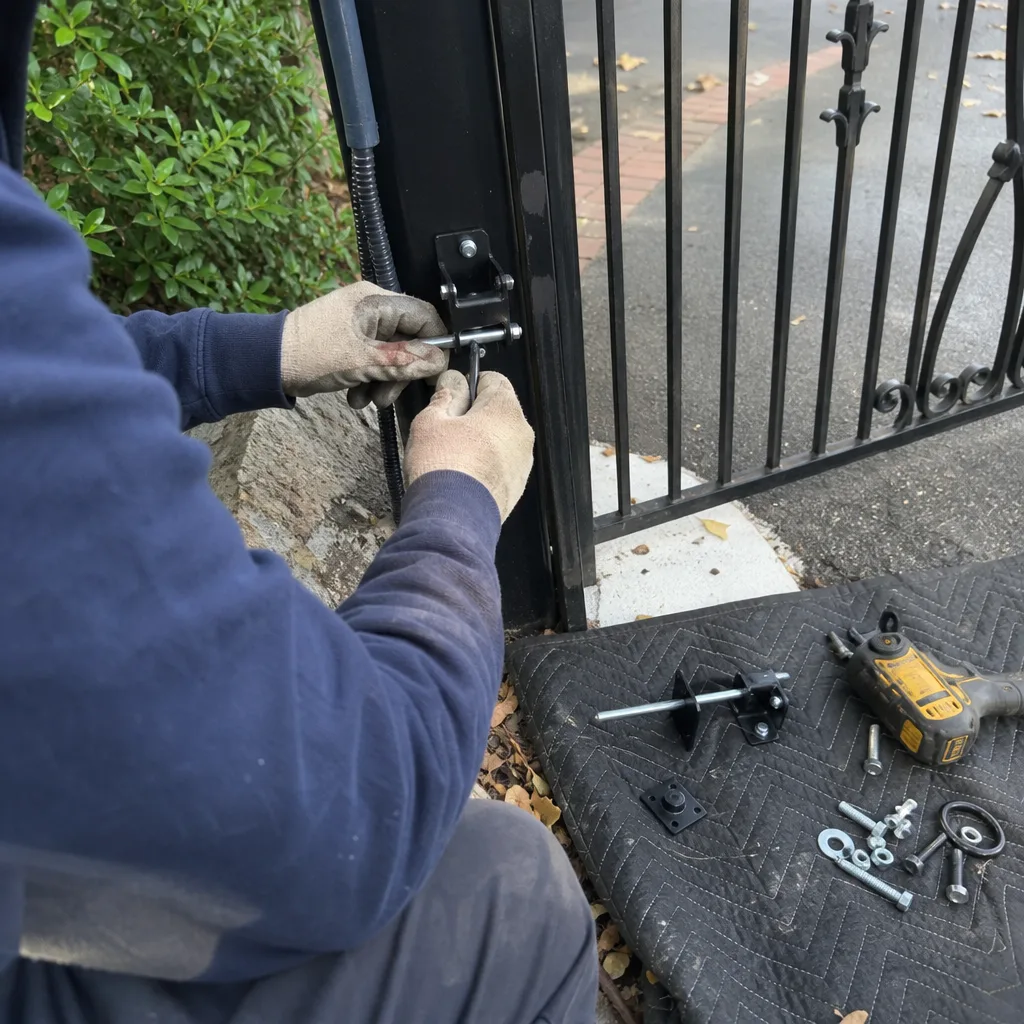
This is the scenario that should concern every Alpharetta homeowner with a gate. Georgia courts have consistently held that unpermitted electrical work can void or limit homeowners insurance coverage for incidents traceable to that work. The mechanism isn’t always explicit policy language. It’s the “known defect” or “failure to maintain” exclusion that insurers invoke after an injury.
Consider the actual chain of events:
- A gate company replaces your motor without permits, using an existing but deteriorated underground cable.
- Two years later, the cable insulation fails, energizing the gate frame.
- A delivery driver touches the gate and receives a shock, falling and injuring their back.
- The driver’s attorney subpoenas permit records. None exist.
- Your insurer investigates whether the electrical defect was “known or should have been known.” The absence of permit and inspection records becomes evidence of negligent maintenance.
- Coverage is denied or limited, and the homeowner becomes the primary defendant.
We’ve reviewed case files from two Alpharetta-area premises liability attorneys who confirmed this pattern. The permit isn’t just bureaucracy. It’s a documented, third-party verification that the electrical work met code at installation. Without it, the homeowner bears the burden of proving the work was safe.
The Haven Standard addresses this directly. Clause 1 requires written price before work. Clause 4 requires documented evidence of what was done. For any permitted work we perform, the permit number and inspection sign-off are photographed and filed with the job record. You get a copy. If your insurer ever asks, you have a county record to point to.
How to Verify a Permit Was Actually Pulled
Gate companies say “we’ll take care of the permit” all the time. In our experience, “taking care of it” sometimes means nothing more than adding a line item to your invoice. Here’s how to verify the real status before work begins.
Step 1: Get the permit number in writing
Any contractor who has actually pulled a permit can give you the number. It should be on the permit card posted at your property or in the contractor’s records. Ask for it. Write it down.
Step 2: Check Fulton County’s public database
Fulton County maintains a searchable permit portal at the Department of Public Works website. Enter the permit number or your property address. The record shows application date, contractor name, scope of work, and inspection status. If the permit doesn’t appear, it wasn’t pulled.
Step 3: Verify the contractor’s license matches
Georgia’s Secretary of State website lists licensed electrical contractors. The name on the permit must match a current license. We’ve encountered situations where a gate company used an expired license number or pulled permits under a subcontractor’s name without disclosing this to the homeowner.
Step 4: Confirm inspection scheduling
A permit without inspection is incomplete. Ask when the rough and final inspections are scheduled. Fulton County allows online scheduling, and you can verify the appointment exists.
Step 5: Request the final inspection sign-off
After passing inspection, the county issues a green tag or digital certificate of completion. Get a copy for your records. This is the document your insurer or future buyer will want to see.
In Alpharetta’s competitive gate market, we’ve seen companies advertise “permit included” while actually performing the work and only pulling the permit if the homeowner insists. Our How to Hire a Gate Repair Contractor in Alpharetta: A Step-by-Step Guide helps you vet companies properly. This is backward. The permit protects you, not the contractor. Under Haven Standard Clause 1, we specify in writing whether your scope requires a permit, who will pull it, and what it costs before you sign anything.
What a Gate Inspection Actually Checks (and What Fails)
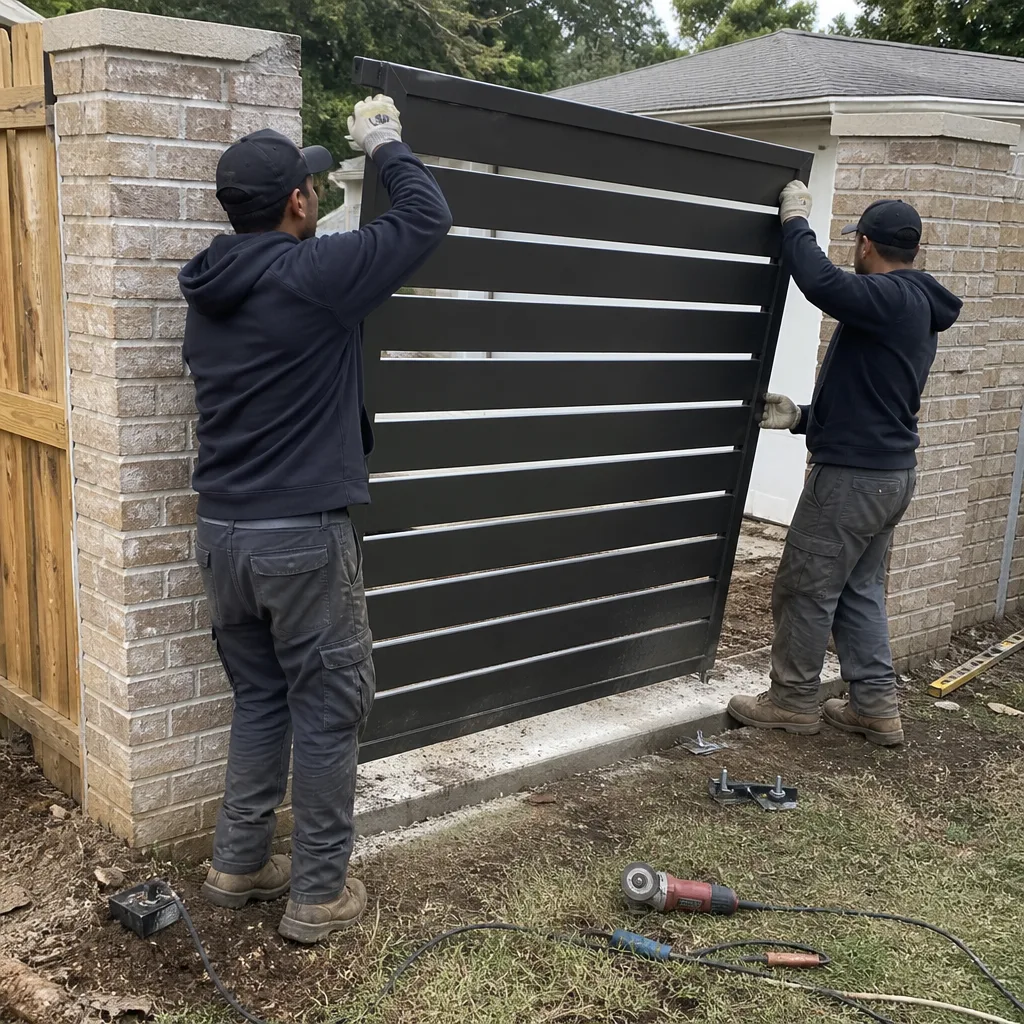
Fulton County inspectors follow the Georgia State Minimum Standard Electrical Code, which incorporates NEC Article 725 for Class 2 and 3 remote-control circuits, the category most gate operators fall under. But the inspection isn’t just about wire gauge. Here’s what actually happens on site.
Electrical inspection checklist:
- GFCI protection for all 120V outlets at the gate location
- Proper wire gauge for the run length (voltage drop calculation for runs over 100 feet)
- Conduit depth and type ( Schedule 40 PVC minimum for underground, 18 inches without conduit, 6 inches with)
- Bonding and grounding of metal gate frames
- Disconnecting means within sight of the motor (required for motors over 1/2 HP)
- Proper strain relief and wire protection at all penetration points
Safety device verification:
- Photo-eye function: beam interruption must stop and reverse gate motion
- Edge sensor or contact sensor activation
- Force limitation: the gate must reverse when encountering a 22-pound test force (UL 325 standard)
- Warning signs and manual release accessibility
The most common failure we see on Alpharetta inspections isn’t exotic. It’s the disconnecting means, a switch within sight of the motor that allows emergency shutdown. Many DIY installations and cut-rate contractor jobs omit this entirely. The inspector won’t pass the job without it, and retrofitting one after installation often requires additional trenching and conduit.
Another frequent failure: improper burial depth of the low-voltage control cable. Homeowners and some contractors assume “low voltage” means “bury it anywhere.” Georgia code specifies 18 inches for direct burial, 6 inches in conduit. In Alpharetta’s clay-heavy soils, shallow burial also means faster degradation from ground moisture and root intrusion, a problem we see regularly in the mature landscaping of Crabapple and downtown neighborhoods.
DIY Shortcuts That Fail First Inspection
We don’t recommend DIY gate motor installation for anyone without electrical training. The safety risks, high-tension springs on some gate types, 120V household power, and the crushing force of an uncontrolled gate, are significant. But for homeowners who’ve already started or who want to understand what their contractor should avoid, here are the shortcuts that fail.
Shortcut 1: Extension cord burial
Running a standard outdoor extension cord through the garden bed to power the gate. This fails immediately: not rated for direct burial, no GFCI protection, no disconnect. We’ve found this in three Alpharetta properties, all installed by homeowners who didn’t know it was hazardous.
Shortcut 2: Splicing into existing landscape lighting
Tapping the 12V landscape transformer for gate power. The amperage is insufficient for any real operator, voltage drop is extreme, and the splice is typically unprotected from moisture.
Shortcut 3: Skipping the photo-eye loop
Installing an operator without safety beams because “we don’t have kids” or “the gate is slow.” This fails inspection and creates direct liability. Modern operators from DoorKing, Elite, and other brands won’t even program without a functioning safety circuit.
Shortcut 4: Reusing 20-year-old direct-burial cable
The existing wire looks fine above ground. Underground, the insulation is cracked and water has wicked into the conductors. We’ve cut open cable in Alpharetta that appeared intact but had conducted moisture for years, corroding the motor’s terminal block.
Shortcut 5: No grounding electrode for metal gates
Metal gates within five feet of the property line or public access must be bonded to the grounding system. This protects against energization from nearby lightning strikes or line faults. Inspectors check this with a continuity tester.
Shortcut 6: Wrong operator for the gate weight
A residential-grade Mighty Mule on a 16-foot iron estate gate. The operator strains, overheats, and eventually fails. More critically, the force settings required to move the overweight gate exceed safe stopping thresholds. Inspectors don’t weigh your gate, but they do test force limitation, and an overpowered setup will fail.
Permit Costs and Inspection Timelines in Alpharetta
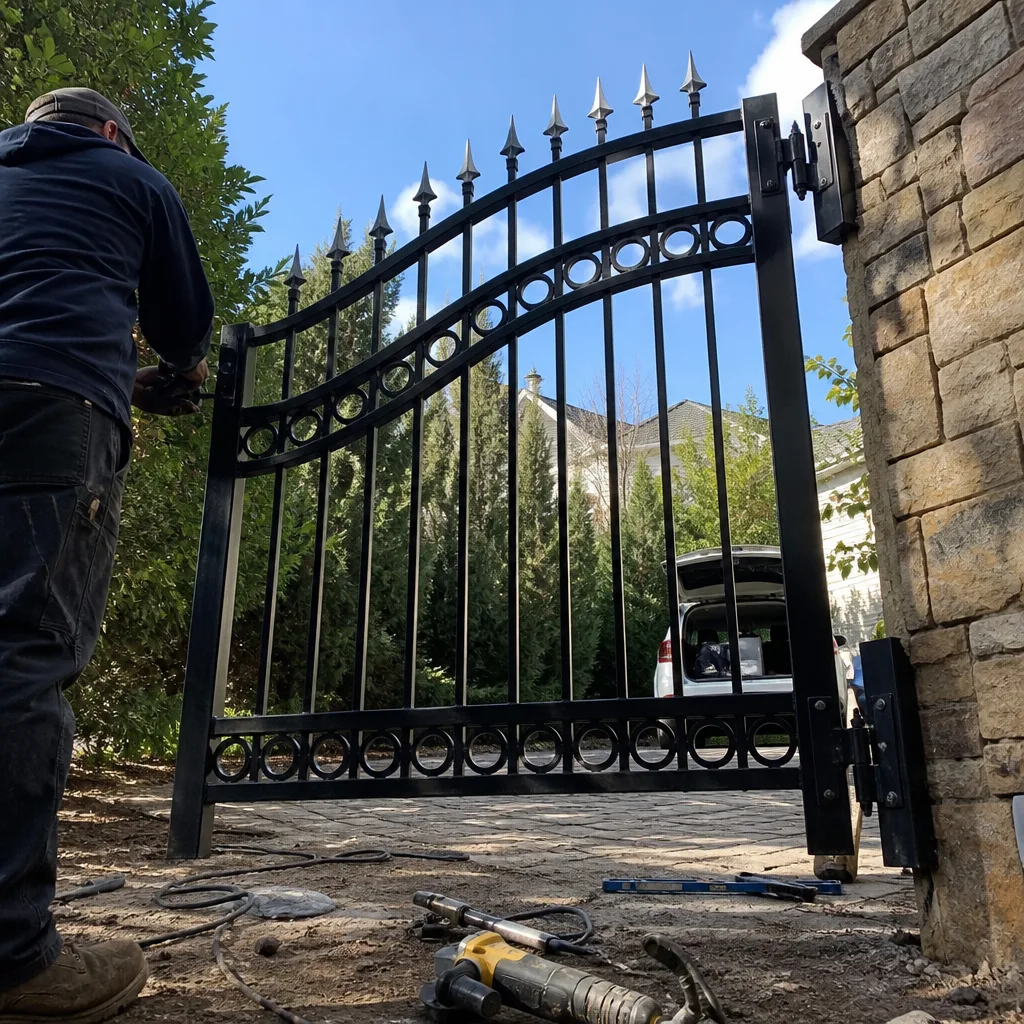
Here’s the practical math for Alpharetta homeowners planning gate work that requires permits.
| Scope | Permit Fee | Plan Review | Rough Inspection | Final Inspection |
|---|---|---|---|---|
| Motor replacement, existing circuit | $50-$75 | Same day | Not required | 1-2 days after request |
| New circuit from panel, <100 ft run | $75-$125 | 3-5 days | 1-2 days after rough complete | 1-2 days after final request |
| New circuit, >100 ft or trenching | $125-$200 | 5-7 days | 1-2 days after rough complete | 1-2 days after final request |
| Panel upgrade + gate circuit | $200-$400 | 7-10 days | Scheduled with electrical inspector | Scheduled with electrical inspector |
These are Fulton County’s published fee ranges. Some gate companies mark up permit costs; we itemize them at actual cost under Haven Standard Clause 1. Timeline varies by inspector availability, spring and fall are busiest in Alpharetta’s construction season.
One Alpharetta-specific factor: properties in the city’s historic overlay or design districts may require a separate certificate of appropriateness before any exterior modification, including gate automation housing. This adds 2-4 weeks and a separate $25-$50 fee. We check this during our initial site survey and note it in the written scope.
Common Mistakes to Avoid
- Assuming “low voltage” means “no permit.” The control circuit may be 24V, but the power supply is 120V household current. The permit requirement follows the power source, not the control signal.
- Letting the contractor pull the permit in their name only. The permit should list you as the property owner. If the contractor disappears, you need to be able to schedule inspections and close the permit yourself.
- Skipping HOA approval before county permitting. We’ve seen homeowners in Alpharetta’s Windward community pay for permitted work that the HOA then required them to modify or remove. Get HOA sign-off first.
- Accepting verbal confirmation that a permit was pulled. Always get the permit number and verify it in Fulton County’s database. Verbal promises evaporate when problems arise.
- Not requesting the final inspection certificate. An open permit can block home sales and refinances. Many Alpharetta homeowners discover this during closing, when the title search flags unclosed permits from years-old work.
- Hiring a gate company without electrical licensure for permitted work. In Georgia, the gate company must either hold an electrical contractor license or subcontract to a licensed electrician. Ask which applies, and get the license number.
When to Call a Professional
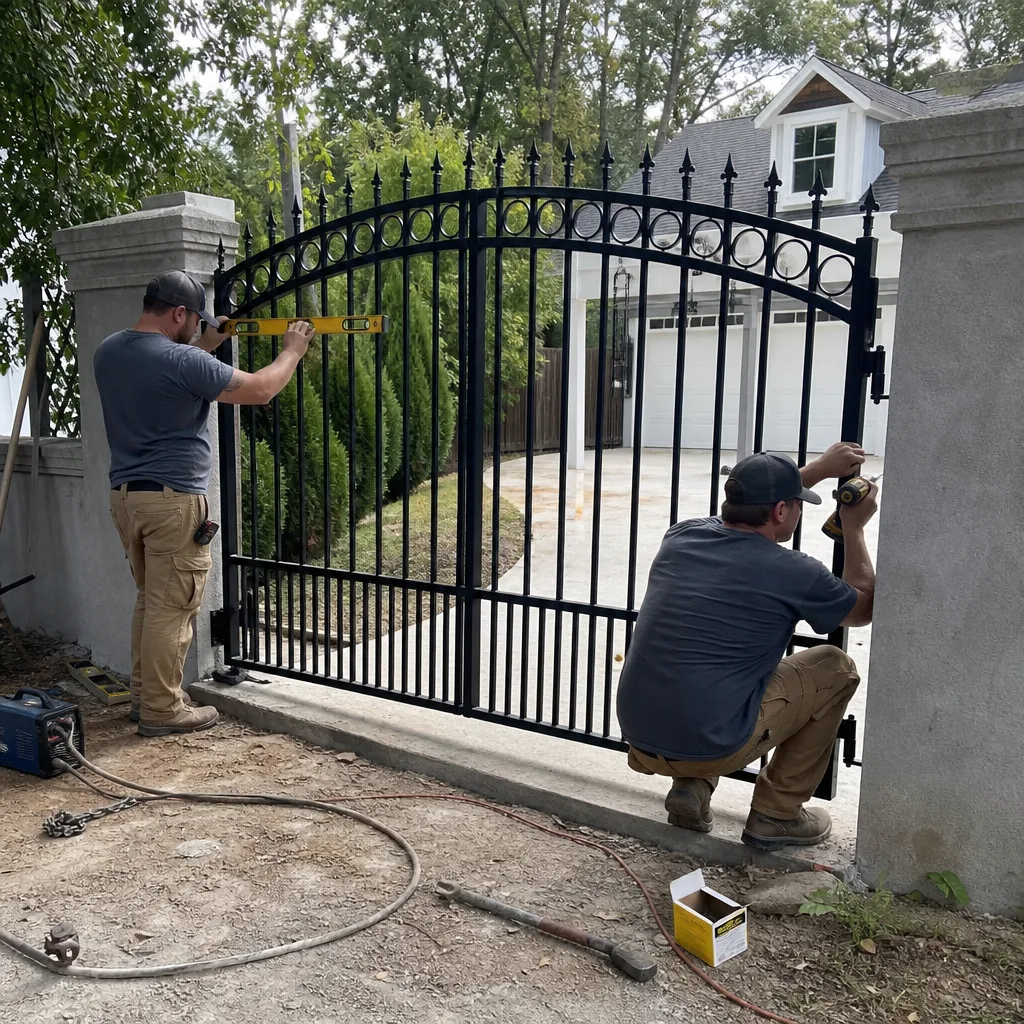
Call a licensed gate and access control specialist when your project involves any new electrical circuit, when you’re replacing a motor on a gate that hasn’t been inspected in years, or when you simply need to know whether your scope triggers a permit requirement. Browse more guides & resources on gate safety and compliance. The cost of a professional assessment is minimal compared to the cost of unpermitted work discovered during a claim or sale.
Vance Gate Repair Alpharetta offers free estimates in Alpharetta. We’ll survey your gate, check your existing electrical setup, and tell you in writing whether permits are required, what they’ll cost, and who will pull them. Every estimate includes a documented photo record of what we found, under Haven Standard Clause 4. Call (678) 679-2152 to schedule.
Frequently Asked Questions
Not if the replacement connects to an existing, properly installed circuit of the same voltage and amperage. If the new motor requires a new circuit, upgraded wire, or panel work, a Fulton County electrical permit is required. Call (678) 679-2152 and we’ll assess your specific setup at no charge.
Most gate-related electrical permits run $50-$200 depending on scope. A simple motor replacement on existing wiring is typically $50-$75. New underground runs or panel work ranges $125-$400. We itemize permit costs at actual county rates in every written estimate, with no markup.
Yes. HOA architectural review operates independently of county code enforcement. Many Alpharetta communities, including Windward and several Crabapple-area neighborhoods, require pre-approval for visible gate modifications. We recommend written HOA approval before any permit application.
Unpermitted electrical work often surfaces during title searches or buyer inspections. You may be required to pull a retroactive permit, which involves exposing buried wire for inspector access, or you may need to discount your sale price. Open permits can also delay closing.
Search Fulton County’s permit database by your property address. Permits remain on record indefinitely. If no gate-related electrical permit appears, the work was likely unpermitted. We provide free second opinions on existing installations, including permit status review.
We pull permits for all work we perform that requires them, using our licensed electrical contractor status. The permit is listed in your name as property owner, with Vance Gate Repair Alpharetta as the contractor. You receive the permit number, inspection schedule, and final sign-off documentation for your records, all under Haven Standard Clause 4.
The Bottom Line
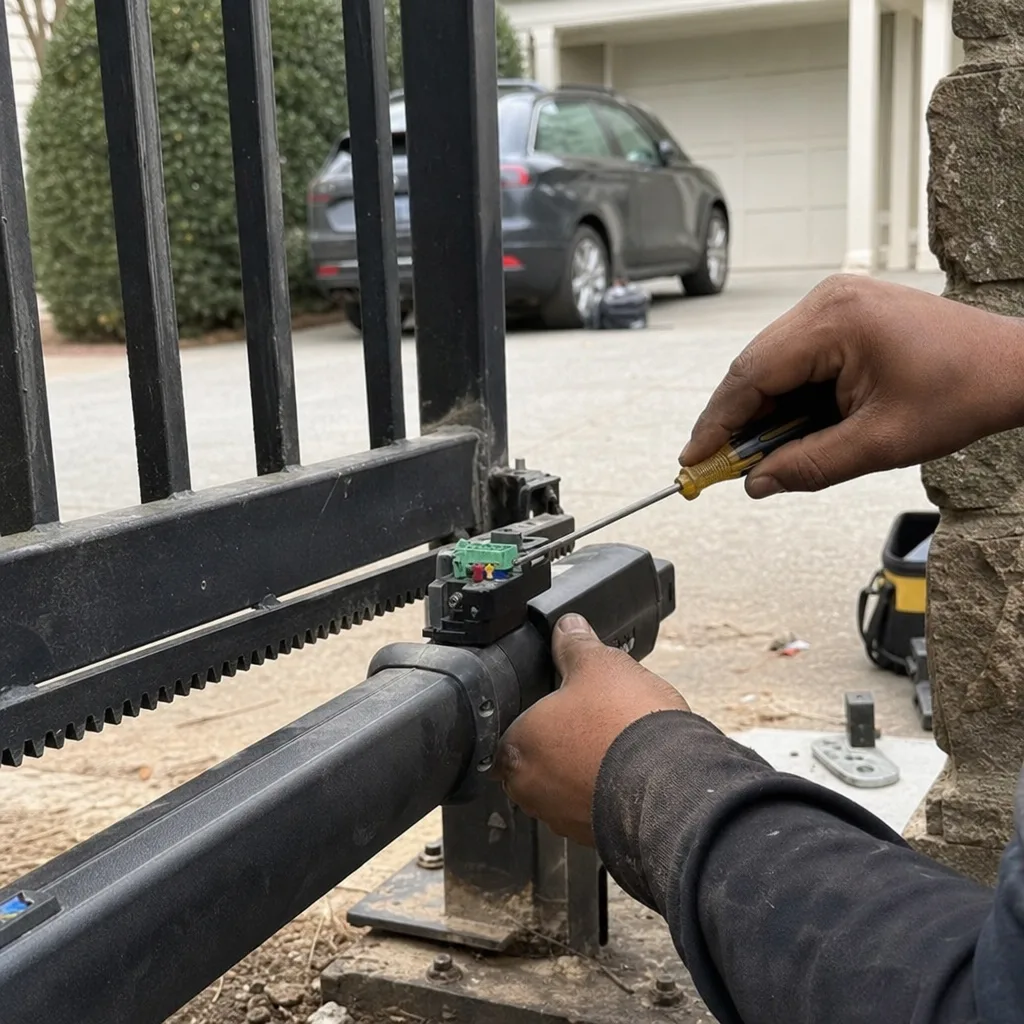
Permits aren’t a revenue scheme or bureaucratic obstacle. In Georgia’s residential electrical code, they’re the only third-party verification that your gate’s electrical work won’t injure someone or void your insurance. Alpharetta’s dual-layer system, county permits plus HOA review, adds complexity that many contractors gloss over. The homeowners who fare best are those who verify permits in the county database, get HOA approval in writing, and keep final inspection certificates with their home records. For any gate work that might touch your electrical system, get a written scope that explicitly states the permit status before work begins. It’s the single most protective step you can take.
Written by Adrian Vance, Owner at Vance Gate Repair Alpharetta, serving Alpharetta since 2014.